Defining the Language of Modern Light
Richard Kelly was a pioneer who transformed lighting into a professional discipline. By blending theatrical techniques with architectural precision, he created the principles that shape how we experience the built environment today.
Apply for the Grant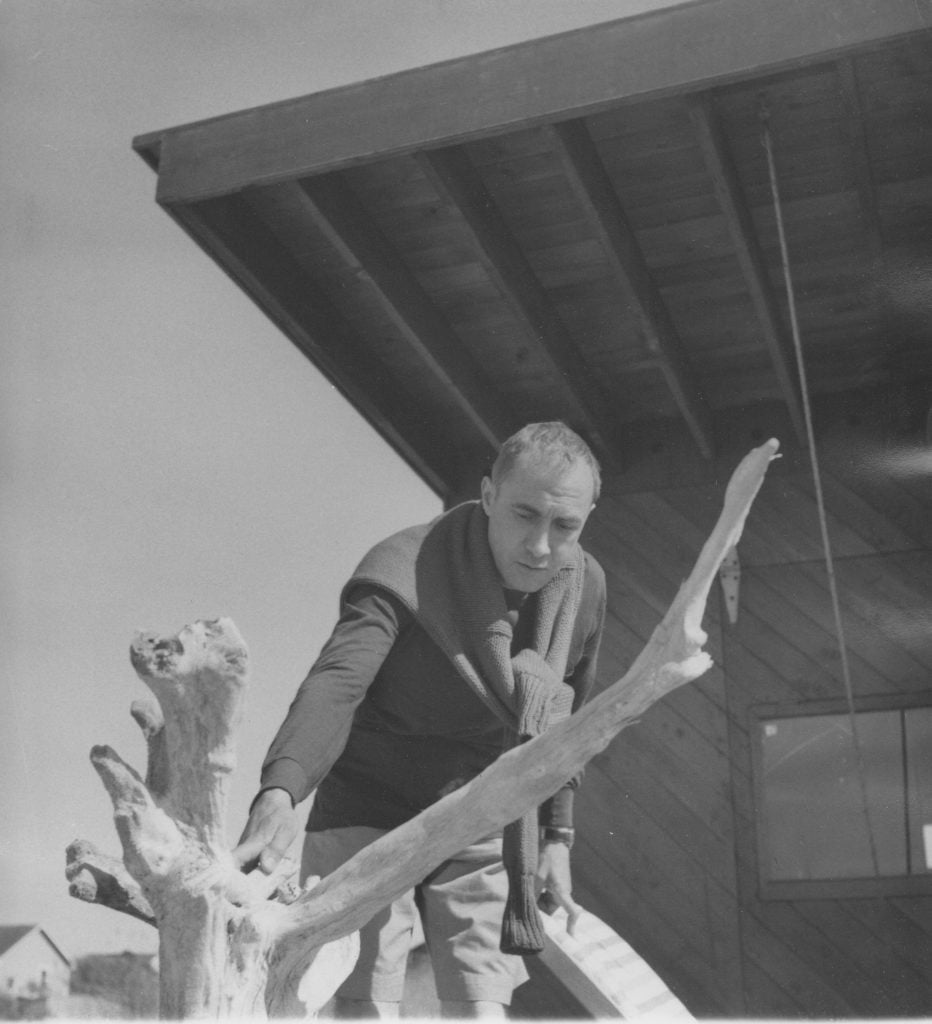
The Pioneer
From Early Passion to Global Influence
The Design Process
The Order of Imaginative Planning
Kelly compared lighting design to a watercolor painting, where the best results come from developing architectural and lighting schemes concurrently through a layered approach.
Shaping Spaces Through Illumination
Pioneer of Architectural Lighting
Richard Kelly, a pioneer of architectural lighting, shaped modern design through his work on over 300 major projects, including iconic landmarks like the Seagram Building and Kimbell Art Museum. His early interest in light evolved into a career that blended science, architecture, and design.
After studying at Yale under theatrical lighting expert Stanley McCandless, Kelly developed his influential concept of “light energy impacts,” defining three types of light: focal glow, ambient luminescence, and play of brilliants. He believed lighting should be integrated with architecture from the start, using these elements like a painter’s palette to shape how people experience space.
Kelly’s philosophy and innovations left a lasting legacy, influencing modern lighting design and technology, much of which continues to build on his ideas today.
Honoring a Legacy by Shaping the Future of Light
Supporting those pushing the boundaries of illumination. Join us in carrying forth Richard Kelly’s vision.
“Light scintillation stimulates all the senses. Even the sense of smell and taste—I consider these together—can be stimulated by the optical bombardment of tiny but sharp points of light”
—Richard Kelly
About
Who is Richard Kelly?
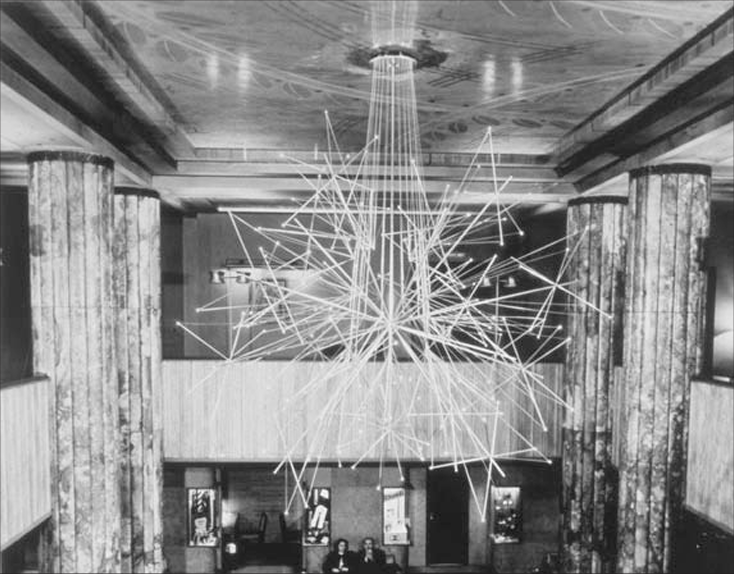
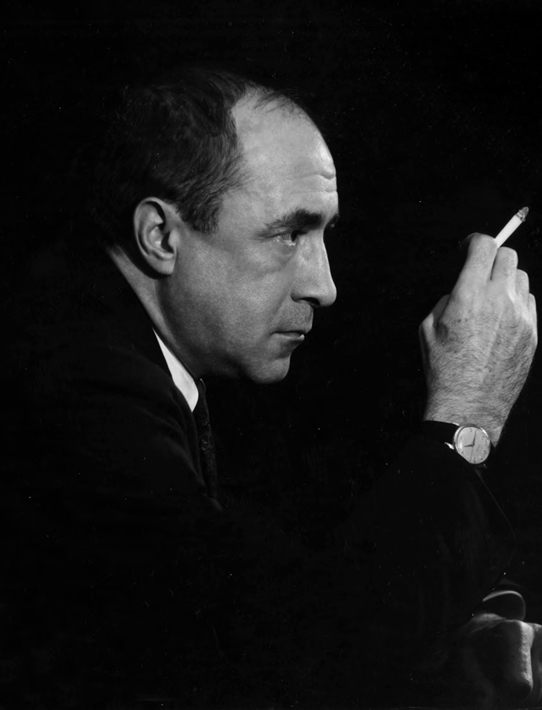
In the brief history of architectural lighting as a profession, Richard Kelly is widely recognized as one of its pioneers and great contributors. He collaborated on over 300 major projects including the Seagram Building, the Kimbell Art Museum, The Yale Center for British Art and Lincoln Center, all highlighted in this exhibition. As these landmarks broke new ground in architecture, so did Kelly’s lighting design.
Kelly’s passion for light developed at a young age, while his professional involvement with lighting was gradual. While he was majoring in science and English literature (and took all his electives in architecture) at Columbia University in New York, he also designed lighting fixtures for a local manufacturer. Soon after graduation in 1932 he opened an office, as he described, “for designing and selling lighting ideas and the equipment to make them work.”
Understanding Light as Design
After wartime restrictions paused his early career, Richard Kelly returned to study at Yale University, where he trained under theatrical lighting expert Stanley McCandless. There, he developed a deep understanding of how light intensity, color, and distribution influence human emotion—realizing that lighting could shape how people feel within a space.
- Focal Glow (Highlight):
- Focal glow is used to direct attention and emphasize important elements within a space. Kelly saw this as a way to guide the eye, creating hierarchy and clarity by highlighting key features, much like a spotlight in theatrical design.
- Ambient Luminescence (General Light):
- This type of lighting provides overall illumination, creating a comfortable and uniform visual environment. Influenced by his studies, Kelly understood that balanced ambient light reduces strain and establishes the foundation for how a space is experienced.
- Play of Brilliants (Accent Detail):
- The play of brilliants introduces sparkle, contrast, and visual excitement. Kelly used this to add depth and interest, incorporating sharp, dynamic points of light that engage the viewer and prevent visual monotony.
Kelly believed lighting should be designed alongside architecture, not as an afterthought. He approached it like a painter composing a watercolor—starting with strong highlights, layering in soft washes of light, and finishing with refined details. His philosophy became a foundation for modern lighting design, influencing both practice and the development of lighting technologies still used today.